
Choosing Between Vacuum Technologies: A Practical Guide
Selecting the right vacuum technology is a strategic decision that influences efficiency, energy consumption, and total cost of ownership (TCO). In industries such as food processing, packaging, and chemical production, the wrong choice can lead to downtime, high maintenance costs, and reduced productivity. This guide compares common vacuum technologies and offers practical advice for making the best choice.
Why Selection Matters
Vacuum systems affect more than just process performance. They determine energy usage, maintenance intervals, and compliance with safety standards. A well-chosen system ensures stable vacuum levels, minimizes interruptions, and reduces lifecycle costs.
Common Vacuum Technologies Explained

Side Channel Blowers
Ideal for low vacuum and high airflow applications like pneumatic conveying. They are simple, reliable, and require minimal maintenance, but they cannot achieve deep vacuum levels.

High-Speed Radial Blowers
Designed for high airflow at moderate pressure, these blowers excel in aeration, cooling, and pneumatic transport. They offer compact design and energy efficiency but are not suitable for deep vacuum applications.
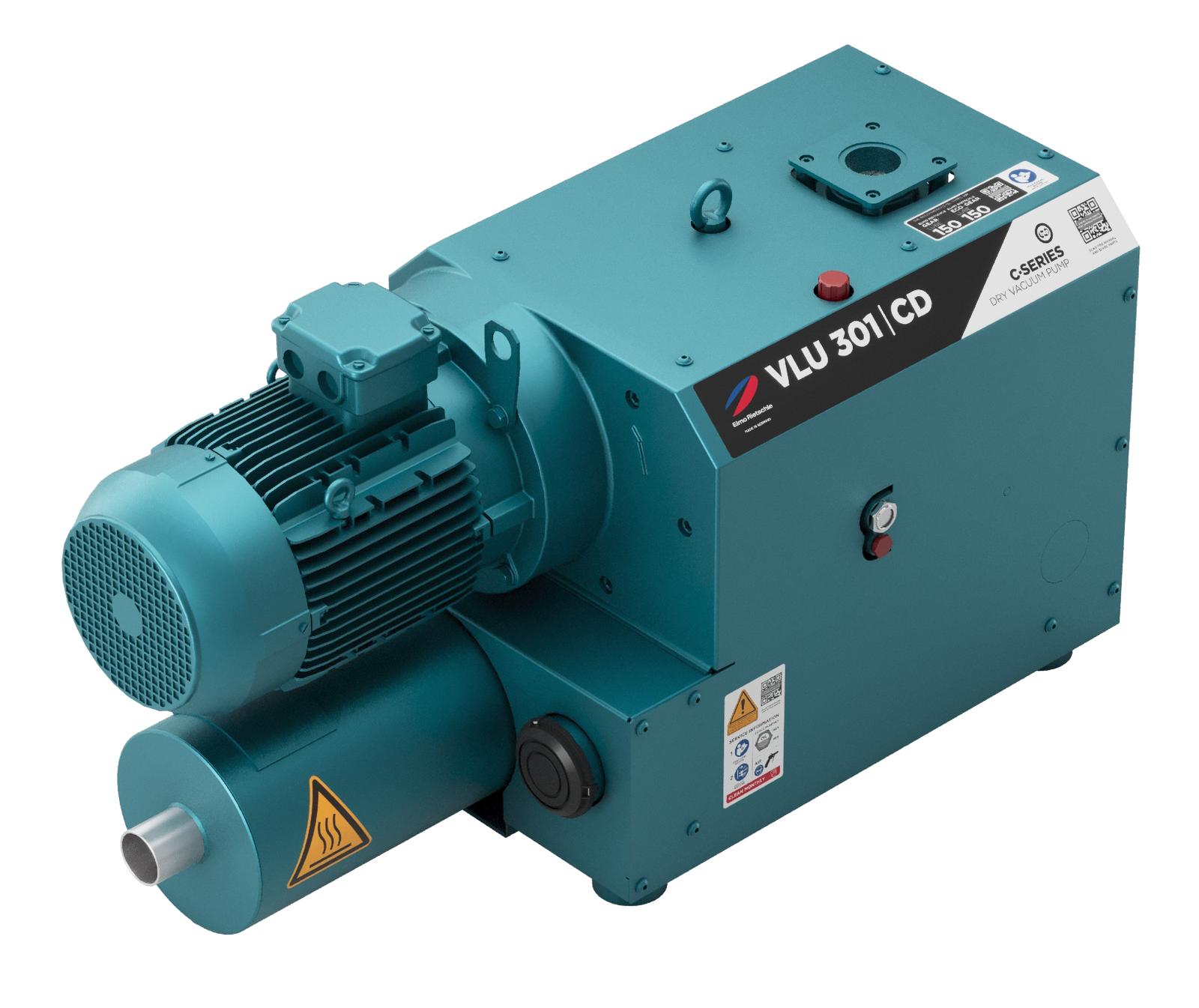
Claw Vacuum Pumps
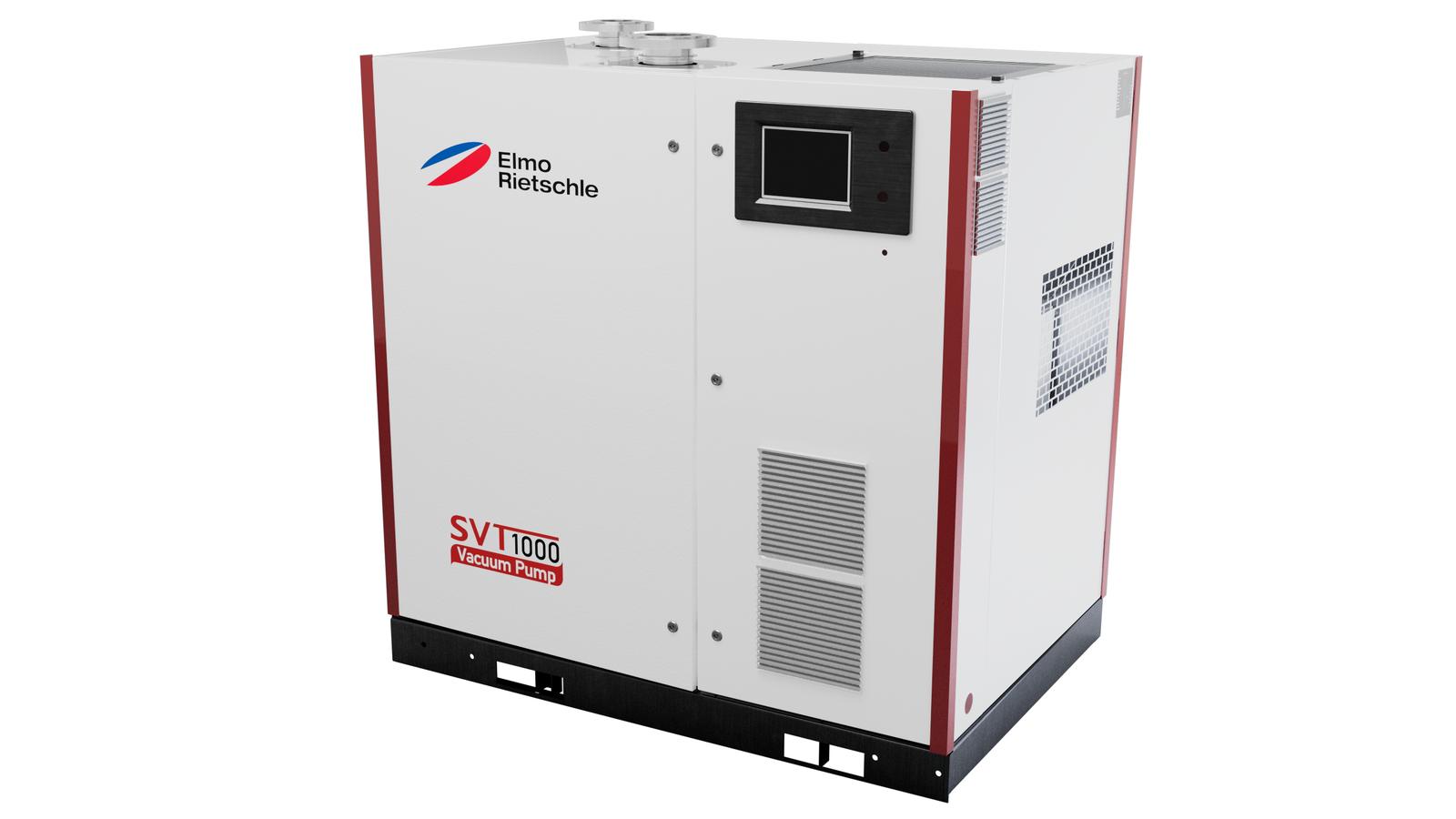
Screw Vacuum Pumps
Best suited for medium vacuum ranges in chemical and pharmaceutical industries. They combine energy efficiency with robust performance for continuous operation, though installation precision is essential.

Rotary Vane Pumps
Available in oil-lubricated and dry-running versions, these pumps are widely used in general industrial applications. They are cost-effective but require regular maintenance, especially oil-lubricated models.
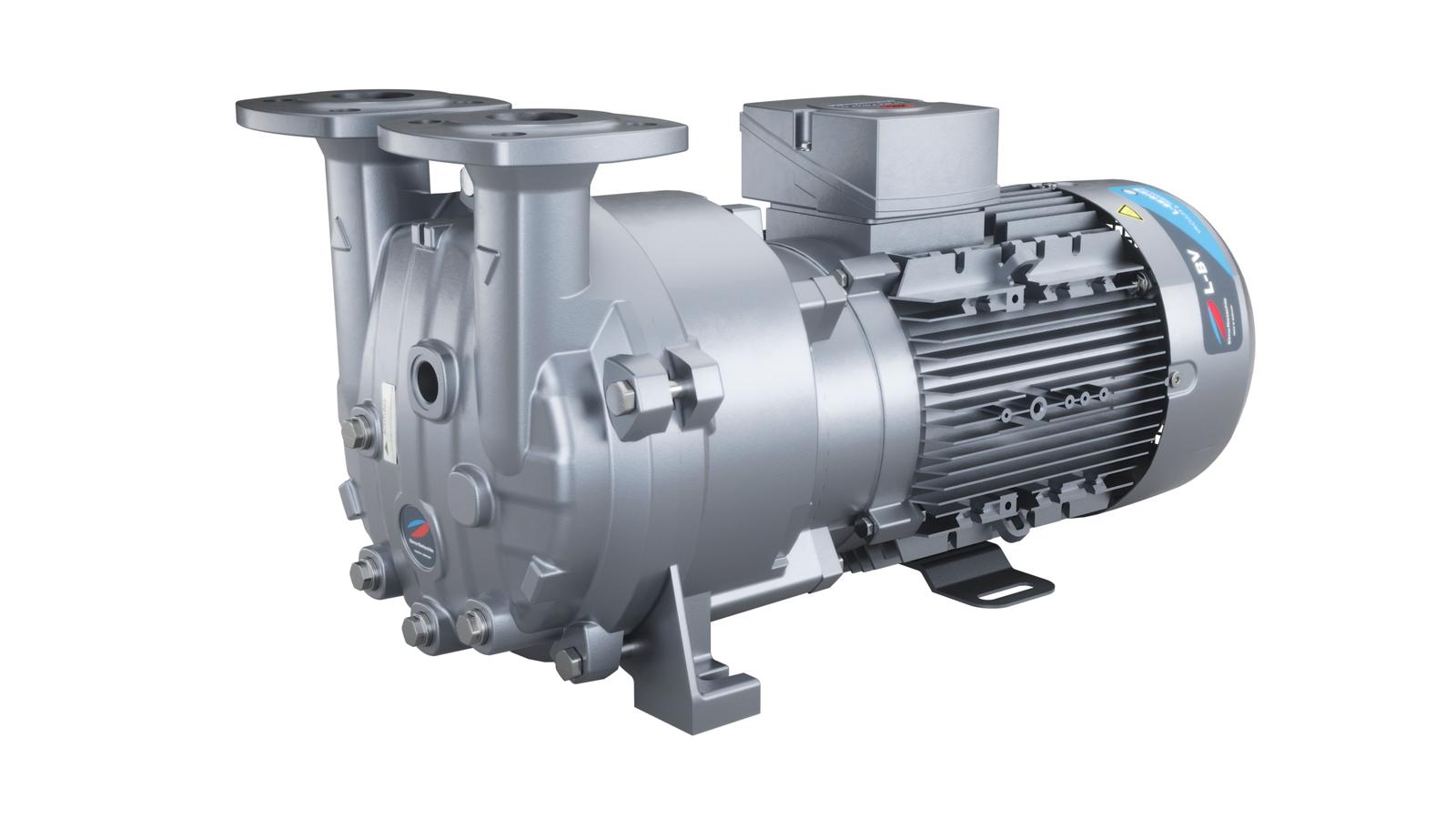
Liquid Ring Pumps
Designed for wet and aggressive gases, these pumps excel in harsh environments. They tolerate vapor and liquid carryover and require proper water supply management to ensure reliable operation.
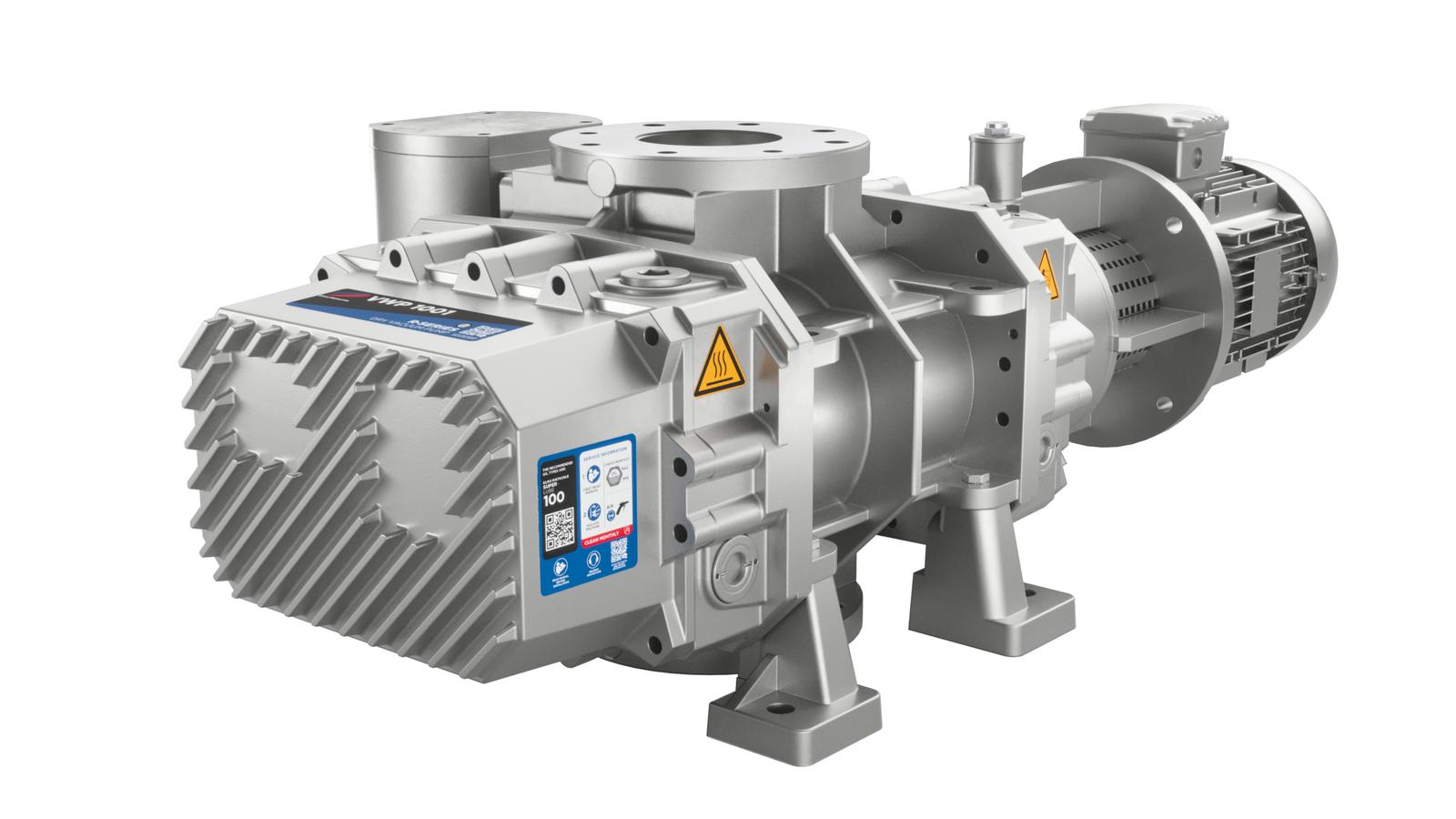
Booster Pumps
Used to achieve deeper vacuum levels in multi-stage systems. Boosters work in tandem with rotary vane or screw pumps to reduce cycle times and improve efficiency. They are essential for high-performance processes requiring rapid evacuation.
Application-Specific Use Cases
- Side Channel Blower: Pneumatic conveying in packaging lines.
- High-Speed Radial Blower: Cooling systems in electronics manufacturing.
- Claw Pump: Cleanroom packaging and pneumatic Conveying.
- Screw Pump: Chemical reactors and pharmaceutical drying.
- Rotary Vane Pump: Plastics processing and woodworking.
- Liquid Ring Pump: Power plants and chemical vapor recovery.
- Booster Pump: Vacuum furnaces and freeze-drying processes.
Find the Right Vacuum Technology for Your Application
Industry Standards & Certifications
When selecting vacuum equipment, compliance matters:
- ATEX Certification: Required for explosive environments.
- ISO 9001: Ensures quality management.
- CE Marking: Confirms conformity with EU safety standards.

Environmental & Sustainability Angle
Modern vacuum systems focus on:
- Energy Efficiency: Screw and claw pumps reduce power consumption by up to 30%.
- Oil-Free Designs: Minimize contamination and disposal costs.
- Water Recycling: Liquid ring pumps can integrate closed-loop systems to reduce water waste.
- Carbon Footprint Reduction: Energy-efficient pumps lower emissions over their lifecycle.

Advanced Features & Options
- Frequency Converters: Optimize energy use.
- Noise Reduction Technologies: Ensure compliance with workplace standards.
- Smart Monitoring Systems: Enable predictive maintenance and reduce downtime.

Performance vs. Cost
Technology | Vacuum Range | Energy Efficiency | Maintenance | Typical Applications |
Side Channel Blower | Low | High | Low | Pneumatic conveying |
High-Speed Radial | Low | High | Low | Aeration, cooling |
Claw Pump | Low-Medium | High | Low | Plastics , packaging |
Screw Pump | Medium | Very High | Medium | Chemical, pharma |
Rotary Vane Pump | Medium | Moderate | High | General industry |
Liquid Ring Pump | Low-Medium | Low | Medium | Chemical, power |
Booster Pump | High | High | Medium | Multi-stage vacuum systems |
ROI and Total Cost of Ownership (TCO) Comparison
Technology | Initial Cost | Energy Efficiency | Maintenance Cost | Service Interval | ROI (3 yrs) | TCO Impact |
Side Channel Blower | Low | Moderate - High | Low | 10,000 hrs | Moderate | Low |
High-Speed Radial | Medium | High | Low | 15,000 hrs | Moderate | Low |
Claw Pump | Medium | High | Low | 20,000 hrs | High | Low |
Screw Pump | High | Very High | Medium | 25,000 hrs | Very High | Low |
Rotary Vane Pump | Low | Moderate | High | 8,000 hrs | Moderate | Medium |
Liquid Ring Pump | Medium | Moderate | Medium | 15,000 hrs | Moderate | Medium - High |
Booster Pump | Medium | High | Medium | 20,000 hrs | High | Medium |
What does ROI mean?
ROI (Return on Investment) indicates the financial benefit of choosing a technology over a three-year period.
- Very High = Significant savings from energy efficiency and long service intervals, outweighing initial cost.
- High = Strong financial return due to reduced operating costs and maintenance.
- Moderate = Balanced return; initial cost and operating expenses are proportionate.
- Low = Limited financial benefit, often due to higher energy consumption or frequent maintenance.
What does TCO Impact mean?
TCO Impact reflects the overall effect of a technology on lifecycle costs.
- Low = Minimal impact on total cost of ownership thanks to high efficiency and long service intervals.
- Medium = Moderate lifecycle cost, often from higher maintenance or energy use.
- High = Significant lifecycle cost, typically caused by frequent service or high energy consumption.
Buyer’s Checklist
Before purchasing, confirm:
- Required vacuum level and flow rate
- Gas composition and contamination risk
- Energy efficiency targets
- Maintenance resources and spare parts availability
- Compliance with ATEX, ISO, and CE standards
FAQ
Screw vacuum pumps typically offer the highest energy efficiency for medium vacuum ranges. Their design minimizes power consumption and supports continuous operation.
Reach Out to Us