
How to Size a Vacuum System for Your Application
Vacuum sizing is the process of determining the correct capacity and specifications for a vacuum system so it can meet the requirements of a specific application. In simple terms, it means matching the vacuum pump and system design to your process needs, including vacuum level, flow rate, system volume, and operating conditions. Proper sizing ensures efficiency, reliability, and cost control. An incorrectly sized system can lead to excessive energy consumption, frequent maintenance, and even production downtime. This guide walks you through the essential steps and considerations for sizing a vacuum system tailored to your application.
Why Proper Vacuum System Sizing Matters
- Operational Efficiency: A correctly sized system ensures stable vacuum levels, reducing cycle times and improving throughput.
- Energy Savings: Oversized systems waste energy, while undersized systems strain components, increasing power consumption.
- Lower Total Cost of Ownership (TCO): Proper sizing minimizes wear, reduces maintenance intervals, and extends equipment lifespan.
- Compliance and Safety: Meeting ATEX or other standards often depends on accurate sizing and system design.
Key Parameters for Vacuum System Sizing
Required Vacuum Level
Determine the operating vacuum level your process needs:- Packaging applications: Typically require medium vacuum levels.
- Chemical or ATEX environments: May demand precise control and explosion-proof components.
- Understand the difference between: Operating vacuum: The level maintained during the process. Ultimate vacuum: The lowest achievable pressure.
Flow Rate and Capacity
Flow rate is the volume of air or gas the pump must handle, usually expressed in m³/h or CFM. Factors influencing capacity:
- System volume: Larger chambers require higher capacity for quick evacuation.
- Leakage rate: Include a safety margin for leaks in seals and fittings.
- Process demand: Continuous vs. batch operations affect sizing.
Pressure and Compression Ratio
Compression ratio impacts pump performance and energy use. Higher ratios require more robust pump designs, such as screw or claw pumps.
Factors Influencing Vacuum System Selection
Pump Technology Options

Side Channel Blowers
Ideal for low vacuum, high flow applications.
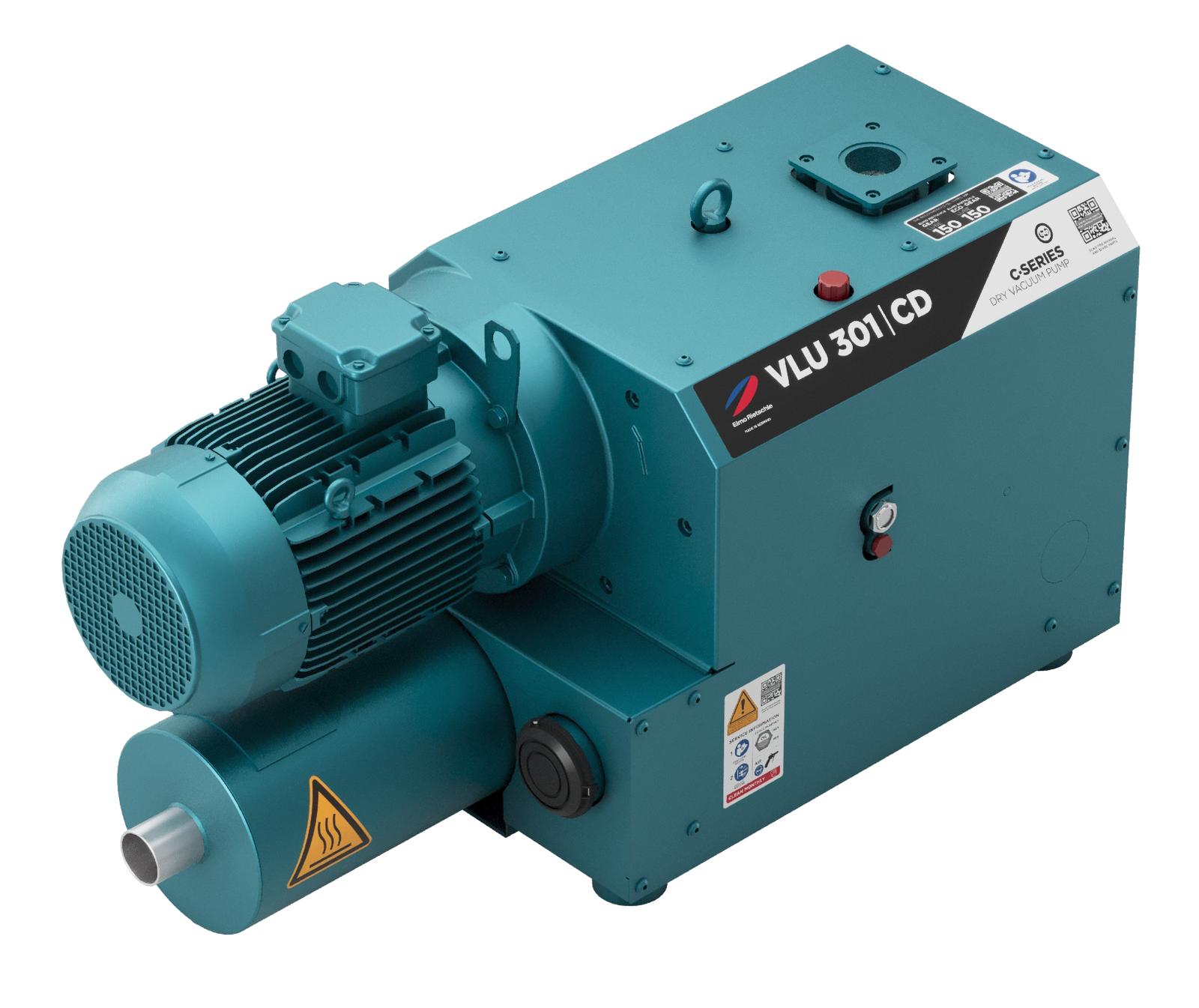
Claw Vacuum Pumps
Energy-efficient, dry-running, suitable for continuous operation.

Rotary Vane Pumps
Reliable for medium vacuum ranges; available in oil-lubricated or dry-running versions.
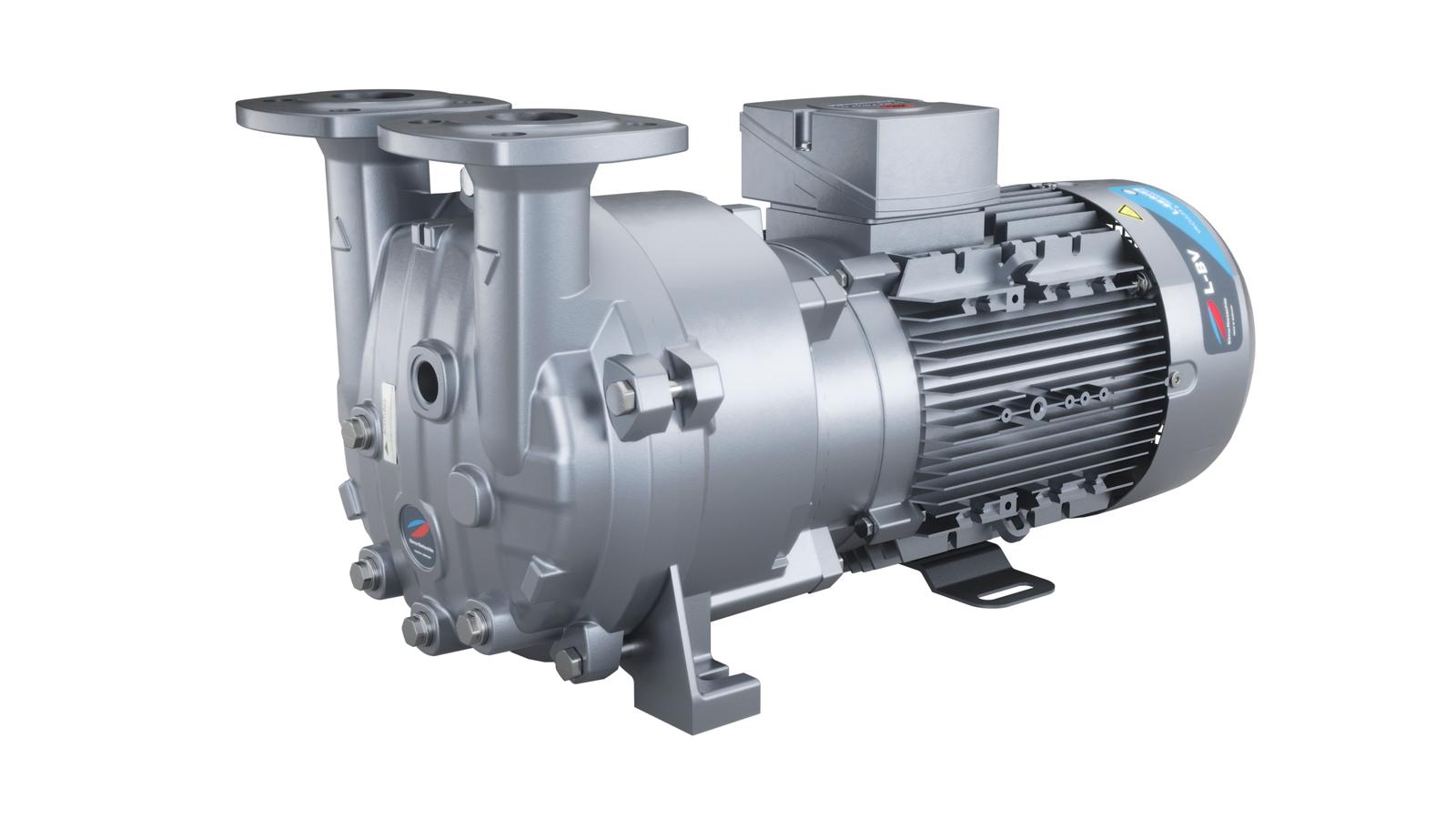
Liquid Ring Pumps
Handle wet or contaminated gases; common in chemical processes.
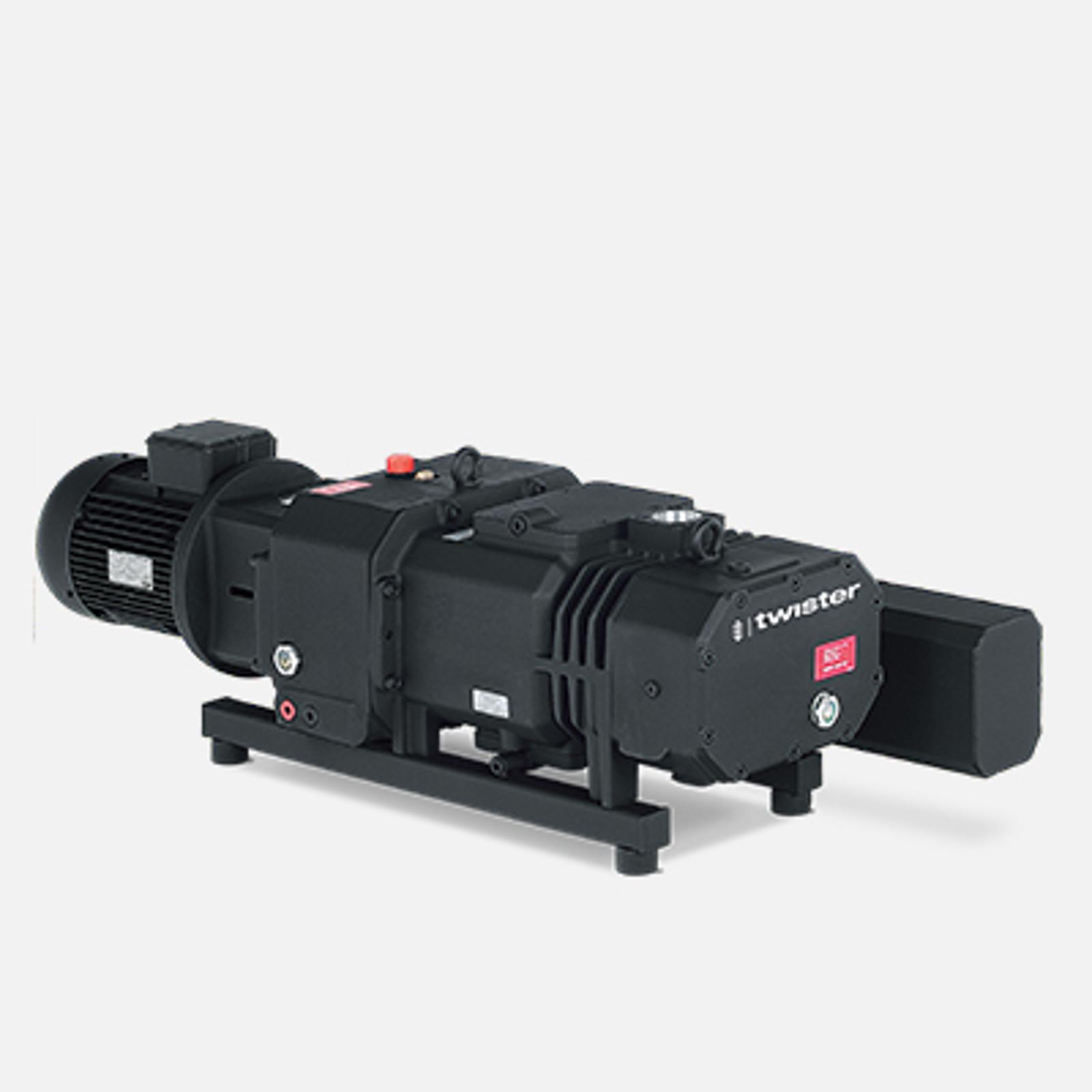
Screw Pumps
High performance for demanding industrial applications.
Environmental and Safety Considerations
- ATEX compliance for explosive atmospheres.
- Contamination control for food or pharma applications.
Maintenance and Lifecycle Costs
Evaluate service intervals, wear parts, and lubrication needs. Dry-running technologies often reduce maintenance costs compared to oil-lubricated systems.
Step-by-Step Guide to Sizing
- Calculate System Volume: Measure the chamber or pipeline volume.
- Define Evacuation Time: How quickly must the system reach the target vacuum?
- Estimate Leakage Rate: Add a safety margin for leaks.
- Select Pump Type: Match technology to vacuum level and process conditions.
- Validate with Performance Curves: Ensure the pump meets capacity and pressure requirements under real conditions.
Common Mistakes to Avoid
- Oversizing: Leads to unnecessary energy consumption and higher upfront costs.
- Undersizing: Causes poor performance and production delays.
- Ignoring Ambient Conditions: Temperature and humidity affect pump efficiency.
- Neglecting Scalability: Plan for future capacity needs.
- No demand-based control of the vacuum pump: waste of energy, consider adding VFD or smart control systems to adjust pump speed according to process requirements.

How Proper Sizing Improves ROI
- Energy Efficiency: Right-sized systems can cut energy costs by up to 30%.
- Reduced Maintenance: Lower wear and fewer service interventions.
- Extended Equipment Life: Optimized operation reduces stress on components.
Third-party content requires consent
To load this content, approve your cookie preferences and allow the required cookies.
FAQ
Reach Out to Us